See the surface geometry, not the colour.
Brightness mixes two things: how light a surface is, and which way it faces. Shape from Shading separates them. Embossing, stamped marks, dents, scratches and creases stand out as relief; print, colour and stains drop away.
Shape from Shading
The part is lit from several sides in turn, one frame per light, and the camera works out the slope of the surface at every pixel. No 3D sensor, no laser line, no second camera.
As the camera sees it, and as relief
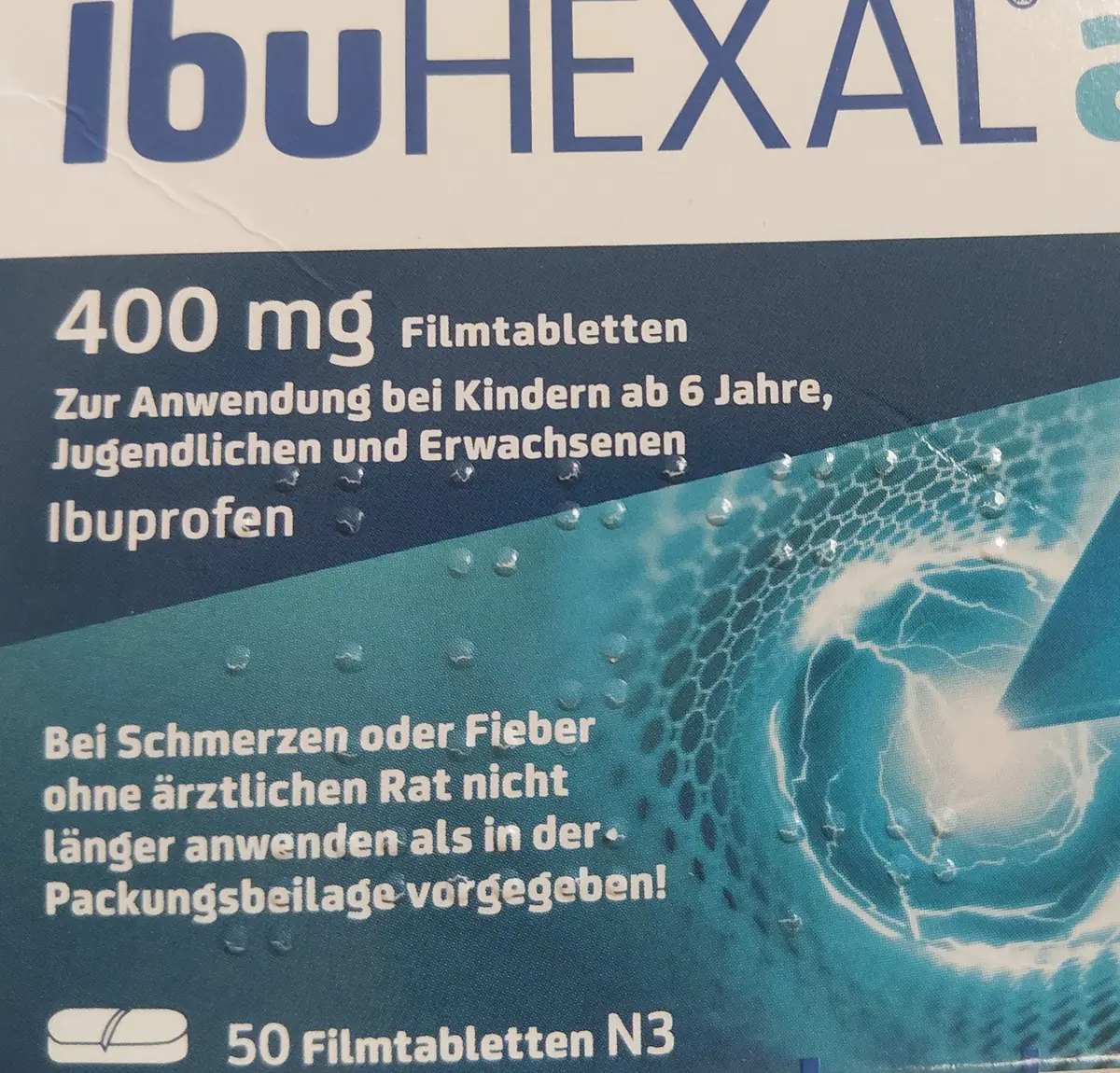
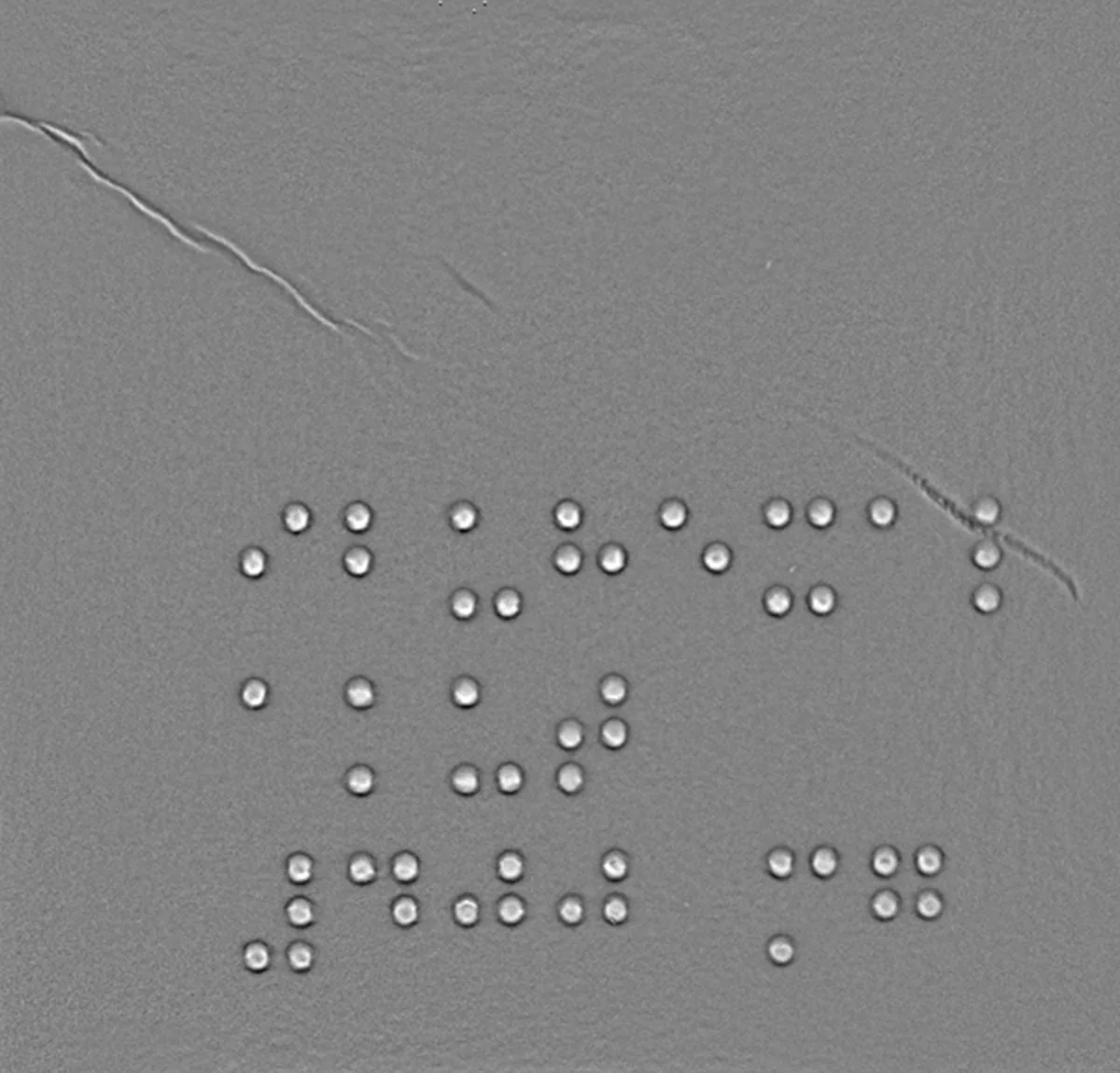
Braille on a pharmaceutical carton
In the camera frame the print dominates and the dots are hard to find. In the relief picture every dot is a clean mark on a flat ground, ready to be counted and checked against the layout. A crease in the board shows too.
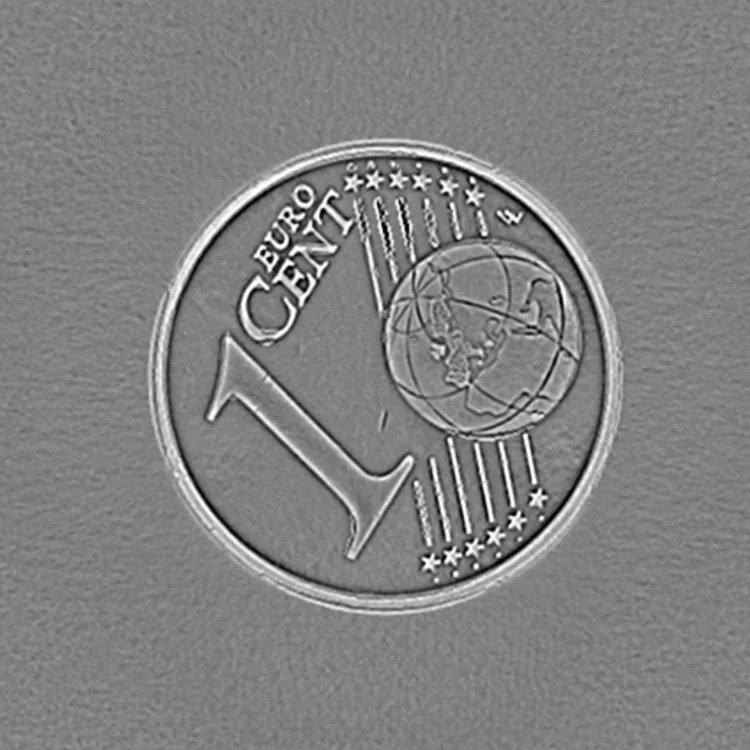
Embossing
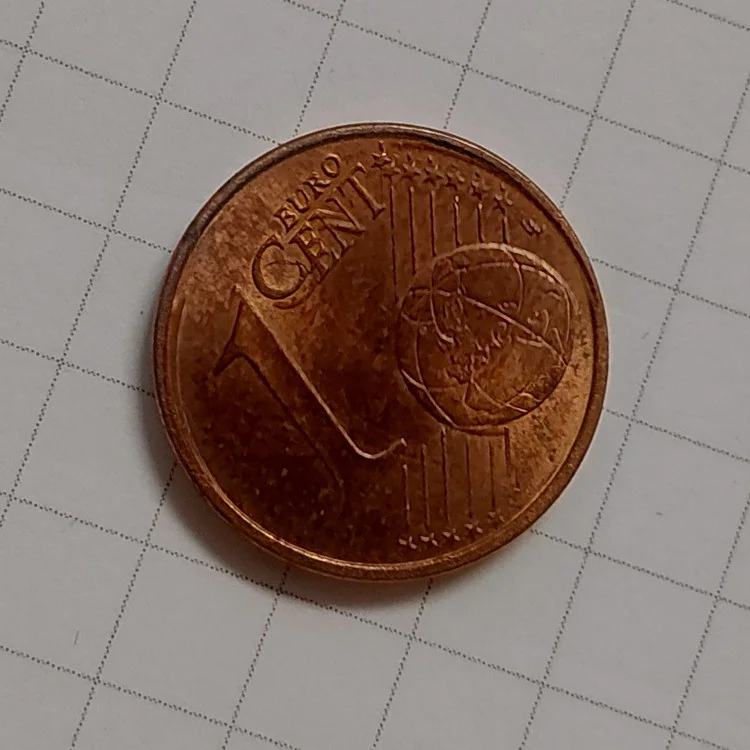
The coin’s relief without its copper shine and the grid of the paper beneath it.
Stamped marks
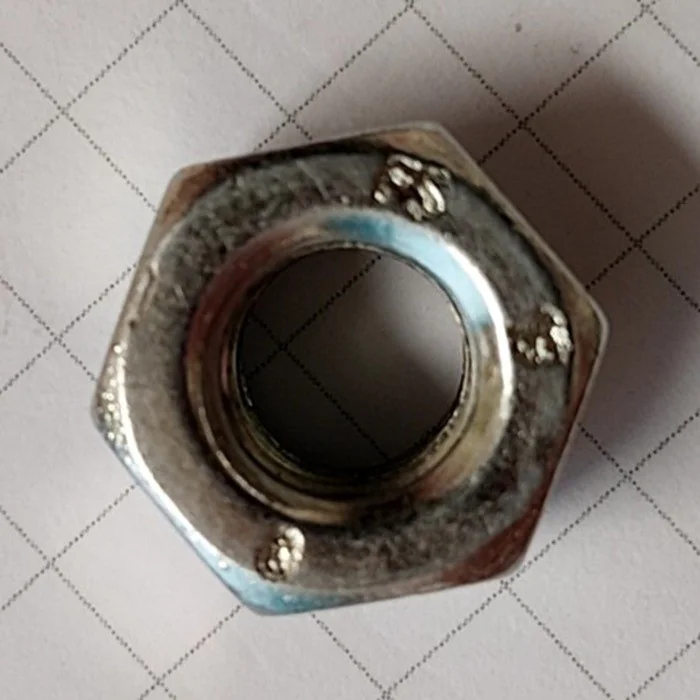
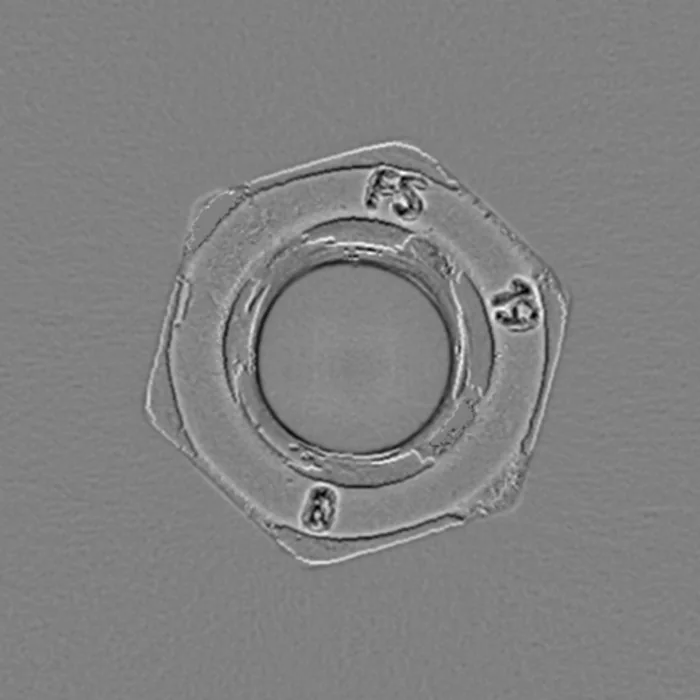
Grade and maker’s marks on a plated, reflecting nut become readable text.
Damage
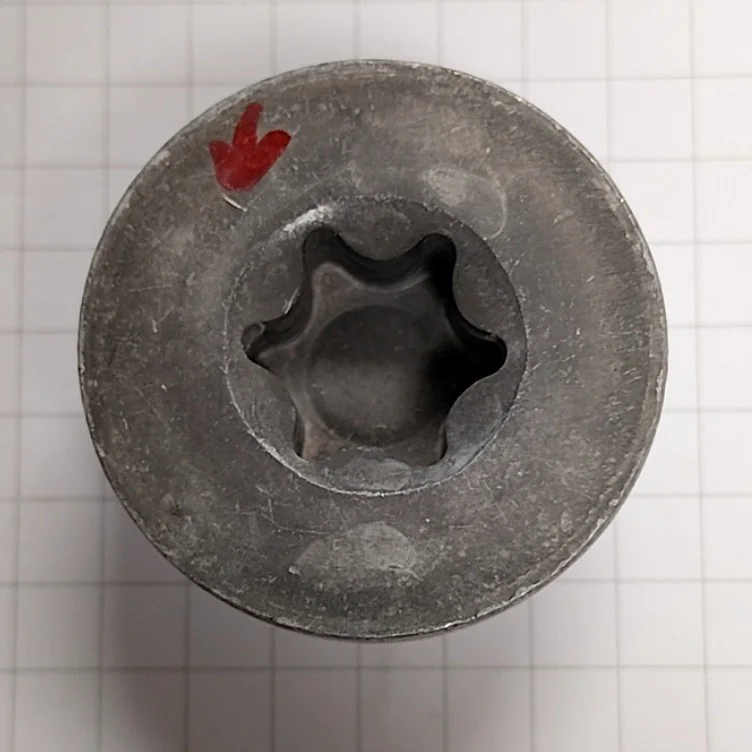
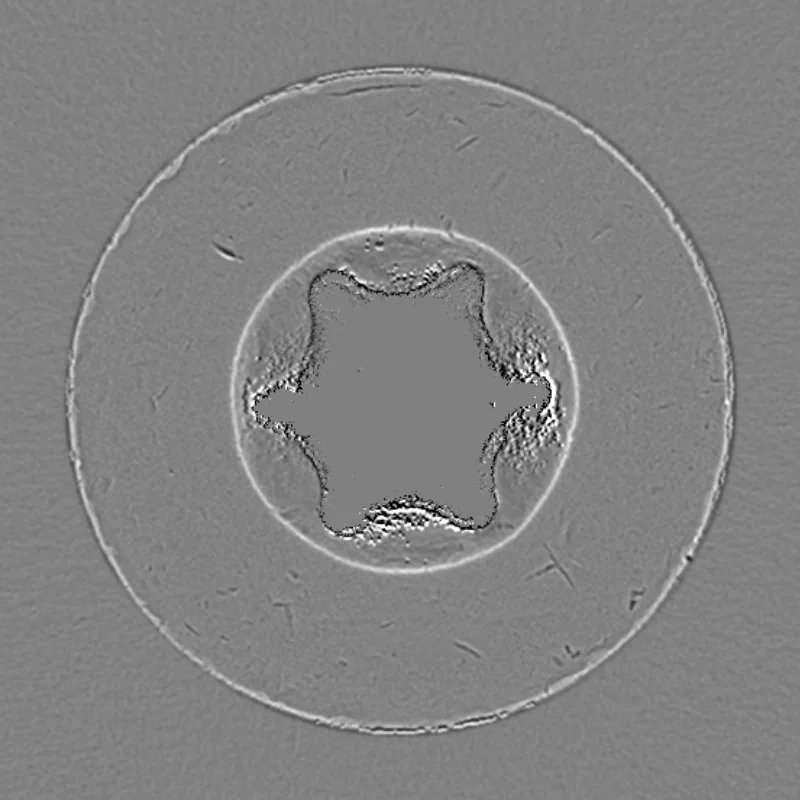
The torn edge of a hexalobular socket, lost among the scratches and dirt of a used part.
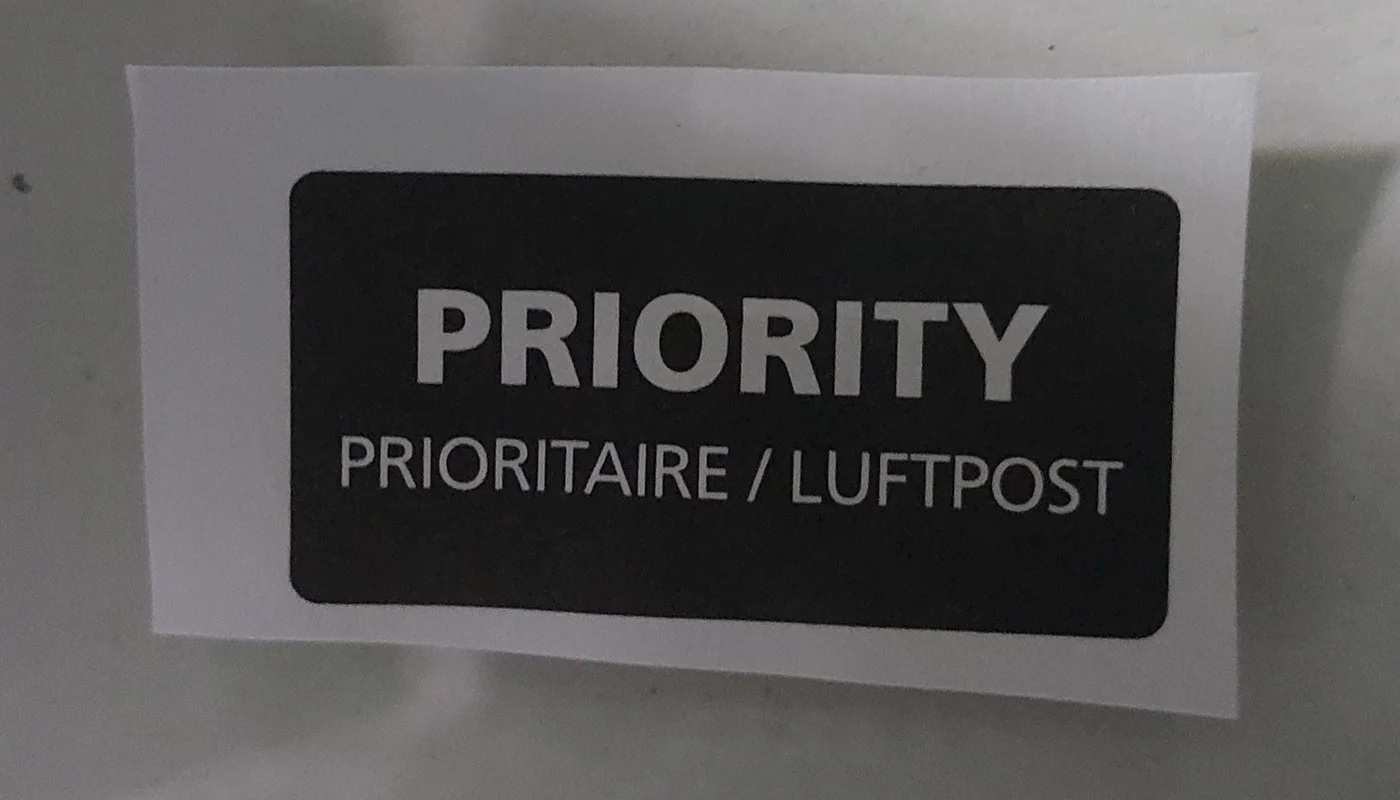
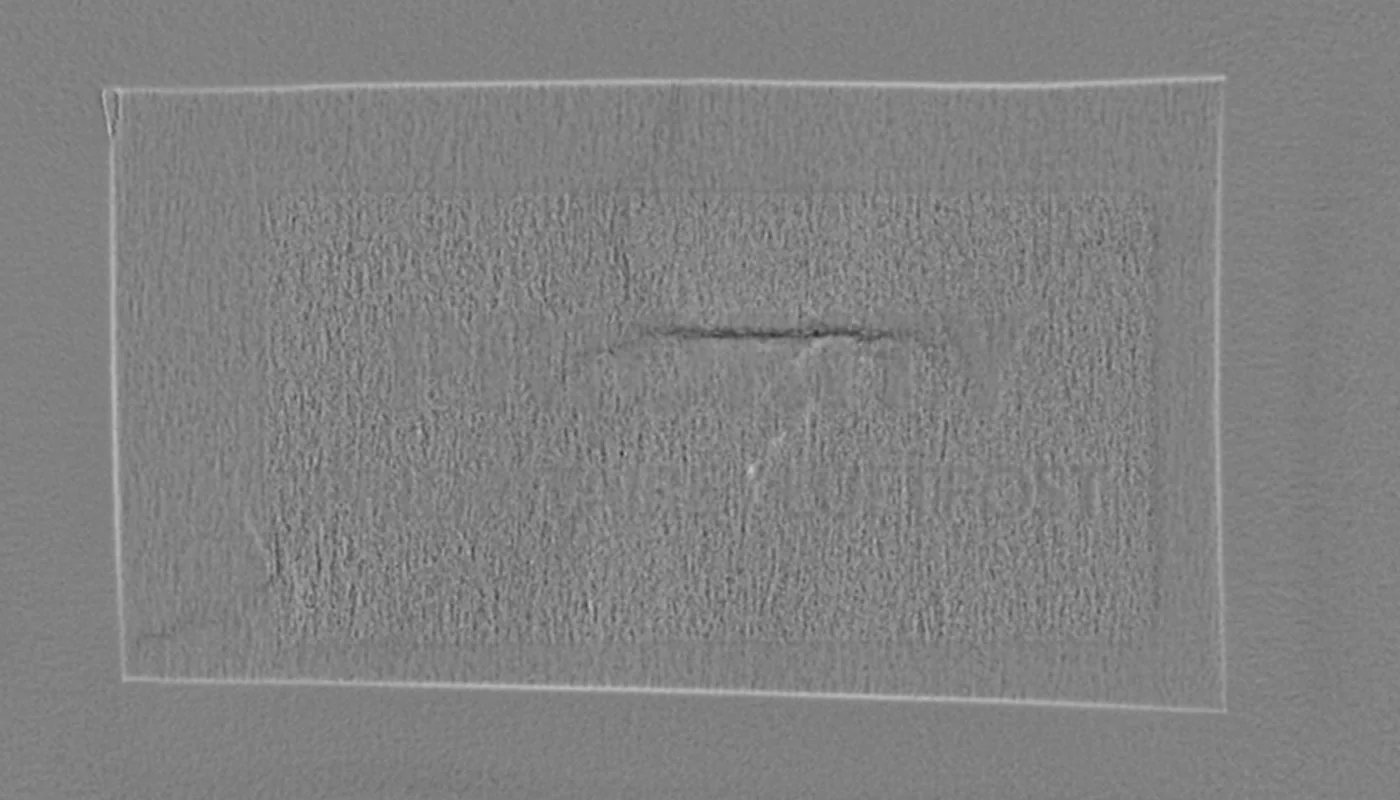
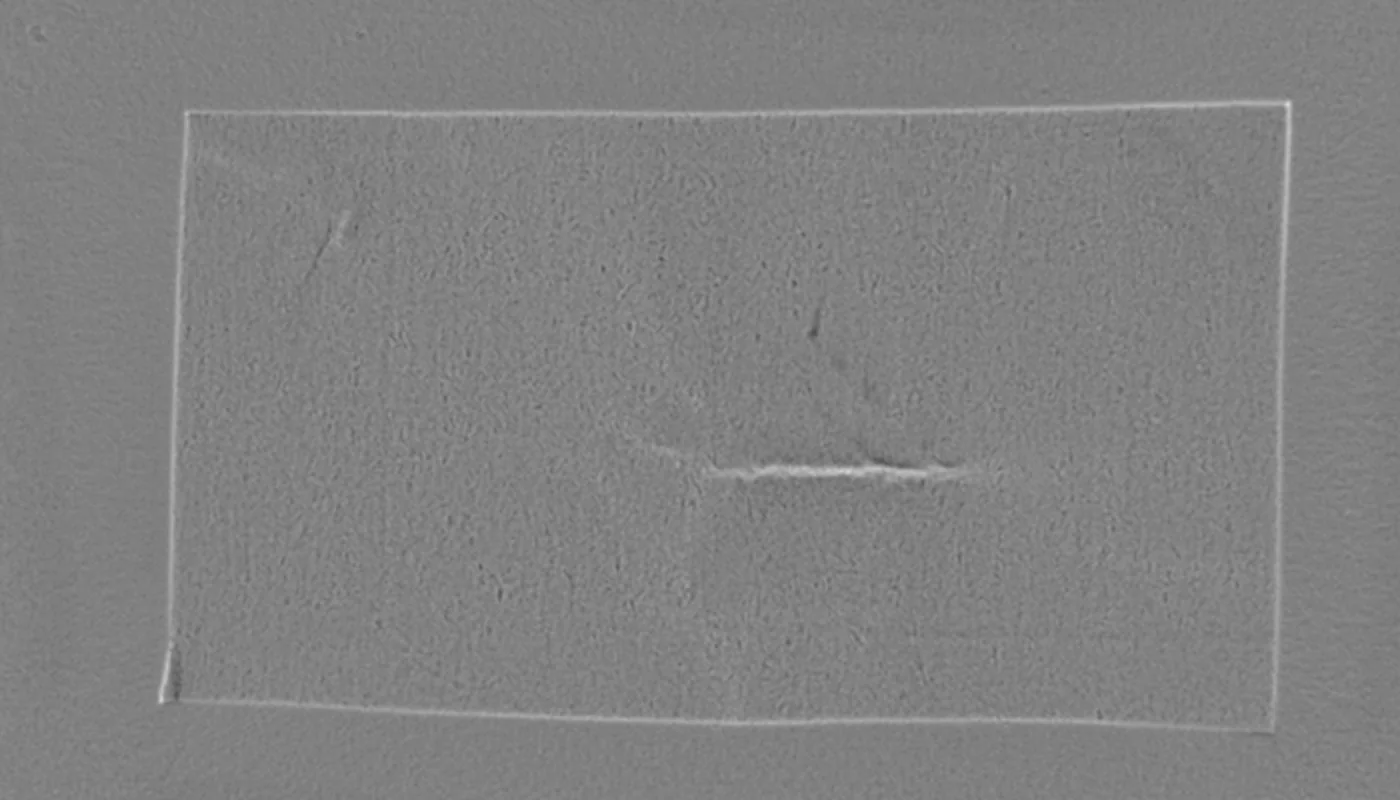
A crease in a printed label, from both sides
The print vanishes and the kink in the paper remains. Turned over, the same fold appears as a ridge instead of a groove, and the label’s edges are drawn as thin lines on the flat sheet.
How it works
- Switched lights. Three to eight lights, a segmented ring light or bar lights, each on a digital output of the camera. The part stays still for the burst.
- One frame per light. Light on, settle, frame, light off, next light. An optional dark frame removes the room light.
- Solve every pixel. On a matte surface the grey value is the lightness times the cosine between the normal and the light. Three or more lights give both for every pixel; a pixel in shadow or glare under one light is solved from the others.
- Inspect as usual. The result is a set of ordinary pictures: curvature, albedo, tilt. Every inspection tool reads relief as it reads grey: measure a dent, read stamped text by OCR, score the surface with the AI tools.
One camera, three to eight lights, one burst. The lights sit low above the part, the camera straight above it. Lower lights give more contrast, more lights fill the shadows.
See what relief shows on your parts.
Frequently Asked Questions
What is Shape from Shading?
Shape from Shading lights a part from several sides in turn, takes one frame per light and works out the slope of the surface at every pixel. Embossing, stamped marks, dents, scratches and creases stand out as relief, while print, colour and stains drop away.
What hardware does Shape from Shading need?
One camera and three to eight switched lights, for example a segmented ring light or bar lights, each on a digital output of the camera. No 3D sensor, no laser line and no second camera are needed. The part stays still for the burst.
How is the relief inspected?
The result is a set of ordinary pictures: curvature, albedo and tilt. Every inspection tool reads relief as it reads grey, so a dent can be measured, stamped text read by OCR and the surface scored with the AI tools.